
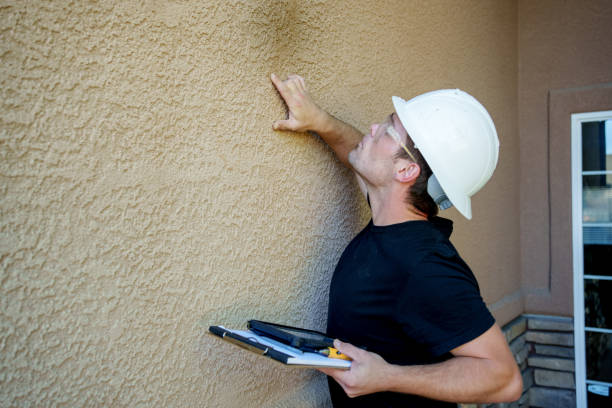
Most people imagine mold inspections as something reactive—a necessary evil after a flood or when black stains start creeping up the wall. But in truth, a professional mold testing and inspection is more like a health check-up for your home.
It’s not just about finding mold. It’s about understanding how your home breathes, where moisture collects, and what’s going on in the places you rarely think to look.
So what actually happens during a mold inspection? Let’s walk through a few real-life situations to show you.
Scenario 1: The “New Baby, Old House” Inspection
A young couple in Clearwater had just moved into a charming 1960s ranch home and were preparing a nursery for their newborn. Although there was no visible mold, they noticed a slightly musty smell in the hallway near the laundry closet.
The Inspection Process:
- Air samples were taken in the hallway, bedroom, and attic.
- Moisture readings revealed that the wall behind the laundry area was slightly damp.
- Swab testing on the baseboard showed elevated mold presence behind the drywall.
The Outcome:
Because the issue was caught early, remediation was minimal. More importantly, the couple avoided exposing their baby to mold spores during those first sensitive months.
Scenario 2: The Commercial Surprise
A small law firm in St. Petersburg began experiencing a rash of respiratory complaints among staff. At first, they thought it was seasonal allergies—but when clients started noticing a mildew smell in the conference room, they called in the experts.
The Inspection Process:
- Inspectors used a thermal imaging camera to examine the walls and HVAC vents.
- Surface and air samples were collected from multiple rooms.
- Results from the lab showed unusually high counts of Penicillium spores in the ductwork.
The Outcome:
The firm had their ventilation system professionally cleaned and improved their air circulation. Symptoms cleared up, and employee productivity rebounded. Without proper inspection, the mold issue could’ve lingered for years undetected.
️ Scenario 3: Pre-Renovation Precaution
A homeowner in Tampa Bay was preparing for a major kitchen renovation. As part of the planning process, their contractor recommended a mold inspection due to a history of leaks in the ceiling.
The Inspection Process:
- Pre-remodel testing involved checking behind cabinets, under the sink, and in ceiling cavities.
- Inspectors found that the leak had caused mold to form behind the drywall—right where new cabinets were set to be installed.
- Protocols were provided to the contractor for safe removal and replacement.
The Outcome:
By catching the issue early, the renovation was adjusted without delay or health risk. Better still, it prevented mold from becoming trapped behind brand-new installations.
What This Shows Us
Each of these scenarios had one thing in common: mold wasn’t obvious. There were no dramatic stains, no flooding, no overpowering odors. But behind the walls and under the floors, mold was quietly growing.
This is why mold testing and inspection is less about reacting to disasters—and more about proactive, informed decision-making.
Final Thought: Mold Isn’t Always a Crisis—Unless You Ignore It
Professional inspection helps you:
- Detect issues early
- Prevent health hazards
- Protect your investment
- Plan repairs or renovations with confidence
So whether you’re expecting a child, managing a workspace, or just planning a little home improvement, make mold inspection a normal part of your process. The earlier you know, the easier it is to fix—and the better your home will feel.