
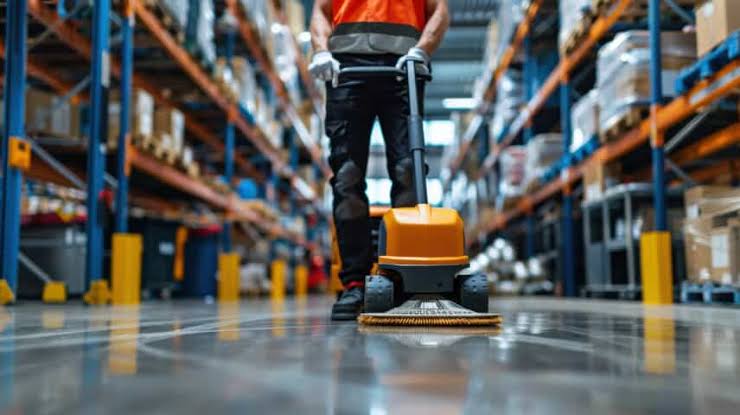
Warehouses move a lot of product through a relatively small footprint, which means dust, packaging debris, and general wear accumulate faster than most storage teams expect. A consistent Warehouse Cleaning Sydney routine keeps that build-up from turning into a genuine hygiene and safety problem, rather than something that only gets addressed once it’s already visible to visiting clients or auditors.
Why Warehouse Hygiene Gets Overlooked
Office and retail spaces tend to get cleaning attention first simply because clients and visitors see them directly, while warehouse floors operate mostly out of public view. That out-of-sight dynamic makes it easy for hygiene standards to slip gradually, since nobody outside the facility notices until a pest issue, an audit finding, or a workplace incident forces the problem into the open. By then, addressing it properly usually takes far more effort than it would have taken to maintain consistently from the start.
Dust, Debris, and the Hidden Hygiene Risks in Storage Facilities
Cardboard dust, shrink-wrap residue, and general packaging debris build up along shelving and loading dock areas surprisingly quickly. Left unaddressed, this kind of debris attracts pests, particularly in facilities storing food, textiles, or paper-based products. Forklift traffic also tracks residue through the site continuously, meaning floors that look clean at the start of a shift rarely stay that way without regular attention throughout the day.
Where Standard Cleaning Falls Short in Large Facilities
Scale is the real challenge here. High shelving, wide loading bays, and constant equipment movement mean a basic sweep-and-mop approach barely scratches the surface of what a large facility actually needs. A proper Warehouse Cleaning Sydney provider brings equipment built for this scale — ride-on scrubbers, high-reach vacuums, and teams who understand how to work safely around active forklift zones without disrupting operations.
The Often-Overlooked Office and Reception Areas
Most warehouse complexes include an administrative or reception area that’s easy to forget about once the focus shifts to the storage floor. These spaces are usually carpeted, and carpet traps dust, allergens, and odours in a way that vacuuming alone never fully resolves. This is where a dedicated Carpet cleaners Sydney service becomes relevant, handling deep extraction cleaning that keeps these front-facing areas presentable for visiting clients and delivery partners alike.
Why Carpeted Areas Need Specialist Attention
Standard vacuuming only removes surface debris, while ground-in stains and trapped allergens require proper hot water extraction to actually lift out of the fibres. In facilities located near loading areas, humidity and dust from the warehouse floor can also drift into adjoining carpeted spaces, making mould prevention a genuine concern. Scheduling a Carpet cleaners Sydney visit on a regular rotation keeps these areas from quietly becoming a hygiene issue nobody notices until it’s already a problem.
Loading Docks and High-Traffic Zones
Loading docks take the brunt of daily wear in most warehouse operations. Tyre marks, spilled packaging materials, and general grime accumulate here faster than almost anywhere else on site, and because this area is often the first thing delivery drivers and visiting clients see, it’s worth prioritising in any cleaning schedule. Pressure washing and degreasing these zones periodically prevents the kind of build-up that eventually becomes a slip hazard as well as an eyesore.
Racking and shelving also deserve more attention than they typically get. Dust settles on upper shelves where it’s rarely disturbed, and over time this can affect both air quality and the condition of stored goods, particularly anything sensitive to dust contamination. Including high-shelf cleaning as a periodic task, rather than an occasional one, keeps this from becoming a bigger job than it needs to be.
Building a Routine That Covers the Whole Facility
The most effective approach treats the entire site as one system rather than cleaning the warehouse floor and office separately on inconsistent schedules. Pairing regular Warehouse Cleaning Sydney with periodic carpet extraction in admin areas means nothing falls through the cracks, and it gives facility managers one coordinated schedule to track rather than juggling separate providers for different zones.
Training Staff to Work Safely Around Equipment
Cleaning crews working in an active warehouse need more than mops and vacuums — they need genuine awareness of how to operate around forklifts, racking systems, and loading equipment without creating a safety incident of their own. Providers who regularly work in these environments typically run their own induction process for staff before they’re ever assigned to a live site, covering exclusion zones, signage, and communication protocols with warehouse personnel during active operating hours.
What to Ask Before Hiring a Warehouse Cleaning Provider
Confirm the provider carries appropriate insurance for working around forklifts and racking, ask what equipment they bring for high-level dust removal, and check whether they offer combined packages covering both storage and office areas. A provider that can genuinely manage a Carpet cleaners Sydney visit alongside their warehouse floor work saves considerable coordination effort compared to managing multiple separate contracts.
Seasonal Factors That Affect Warehouse Hygiene
Humidity and temperature swings through the year change how quickly dust, mould, and pests become a problem. Summer months tend to bring more pest activity, particularly around loading areas where doors stay open longer, while winter humidity can accelerate mould growth in poorly ventilated storage corners. Adjusting a cleaning schedule seasonally, rather than running the exact same routine year-round, tends to catch these shifting risks before they become visible problems.
Hygiene in a warehouse isn’t just about appearances for visiting clients, though that matters too. It’s about reducing pest risk, protecting stored inventory, and keeping a large, high-traffic facility genuinely safe to work in day after day.