
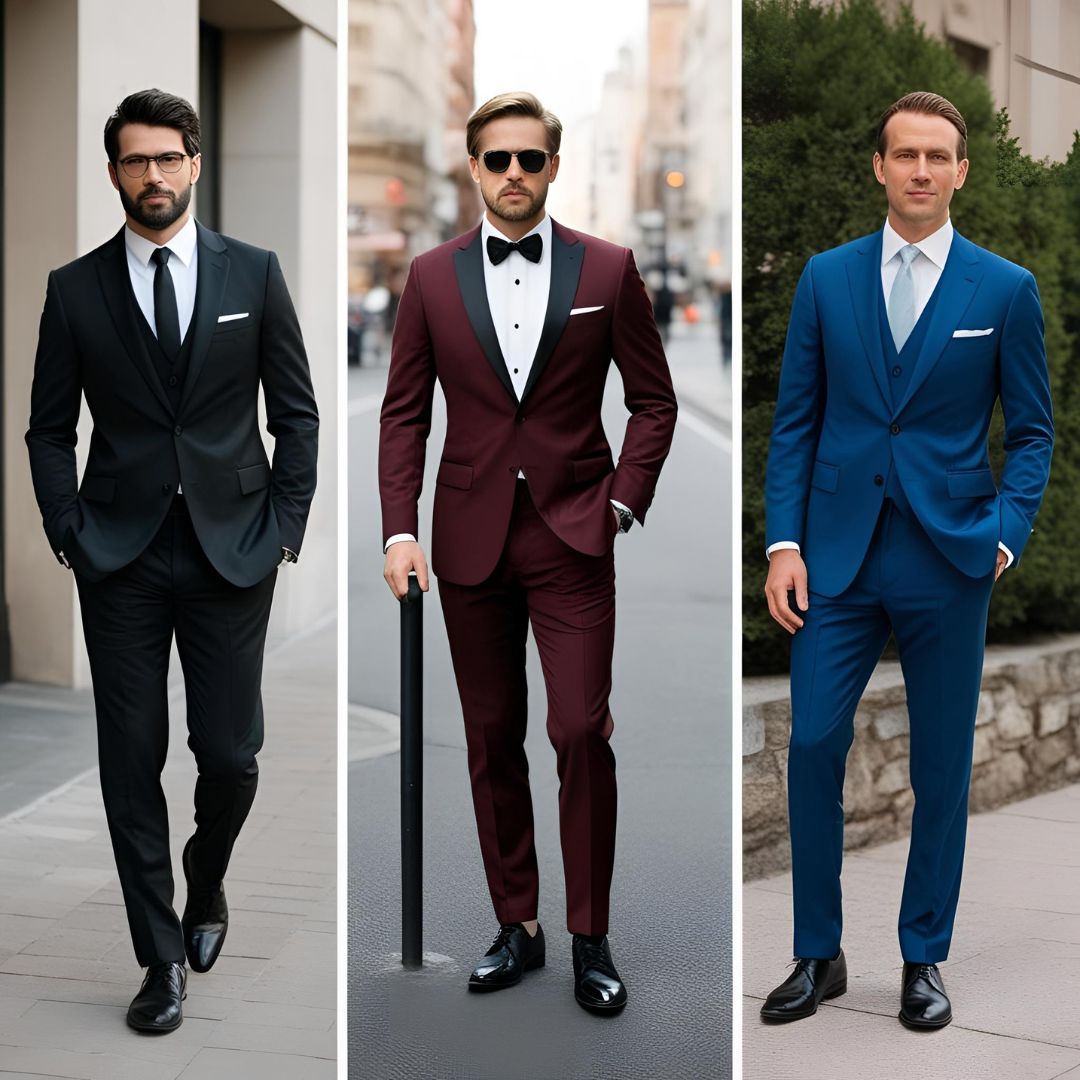
Formal clothing is one of the most significant—and revealing—styles in men’s fashion. The way a man dresses for a formal event can reveal a lot about his character, sense of style, and attention to detail. Men’s formal attire has changed throughout the years while upholding its fundamental values of sophistication, elegance, and accuracy, from the timeless black tuxedo to the sleek three-piece suit.
Knowing the subtleties of formal attire can be the difference between appearing merely decent and being the best-dressed man in the room, whether you’re getting ready for a formal wedding, work gala, or black-tie event.
The Background of Men’s Formal Clothing
It’s helpful to comprehend the history of formal wear in order to appreciate it completely. In the 19th century, British nobility and fitted military uniforms had an impact on the development of traditional men’s formal clothing. As a less formal substitute for the tailcoat, the tuxedo (also known as the dinner jacket) gained appeal among high society circles in the late 1800s.
Variations such as the black tie, lounge suit, and morning suit became mainstays of men’s formal attire over time. Men’s modern formal attire now combines classic aesthetics with modern design, allowing for personal expression and maintaining timeless heritage.
Comprehending Formal Clothes
Understanding the dress code is crucial before choosing a formal ensemble. The most prevalent kinds are as follows:
Black Tie: A tuxedo with a white shirt, a black bow tie, and frequently a waistcoat or cummerbund. Shoes made of patent leather finish the ensemble.
The most formal of all is the white tie, which calls for a white bow tie, white waistcoat, white wing-collar shirt, and black tailcoat.
Business formal attire consists of a tie, a black suit, and a conservative shirt. Usually worn to crucial business meetings or corporate events.
Cocktail attire is a little less formal and may consist of a black suit paired with a looser shirt and tie.
Understanding the event’s classification can assist you choose your attire and steer clear of any fashion blunders.
The Traditional Suit: The Cornerstone of Formal Dress
Without mentioning the traditional suit, no discussion of men’s formal attire would be complete. An essential piece for any man’s wardrobe is a well-tailored suit. The fit is crucial, regardless of whether it is two-piece or three-piece, single-breasted or double-breasted.
A classic suit should have the following components:
Clean lines, notch or peak lapels, and structured shoulders characterize blazers and suit jackets.
Trousers: Ankle-length, matching pants with or without pleats.
Shirt: Crisp, typically light blue or white, with a spread or pointed collar.
Tie: For a classic look, use basic colors or conservative designs.
Bolder hues can work if done properly, but the safest colors for formal events are black, charcoal, and navy.
The Tuxedo: An Everlasting Declaration
Dinner jackets, sometimes known as tuxedos, are a staple of black-tie style. Tuxedos differ from conventional suits in that they have satin or grosgrain lapels, buttons coated in satin, and a stripe running down the leg of the pant. The essential elements consist of:
Tuxedo Jacket: Usually available in midnight blue or black.
Dress shirt: typically white, with a front that is textured or pleated.
Bow ties are typically composed of satin or silk and are black in color.
Trousers: Always have a neat taper, no cuffs, and match the jacket.
Accessories include patent leather shoes, cufflinks, and a cummerbund or waistcoat.
Although they were originally only worn to formal occasions, tuxedos have become more adaptable in recent years and may now be seen in designer daywear.
The Three-Piece Suit: Adding Complexity and Elegance
The three-piece suit is a fantastic choice for anyone who wish to stand out while yet adhering to traditional formality. It gives your outfit structure and refinement and consists of pants, a blazer, and a waistcoat.
In addition to improving your silhouette, wearing a waistcoat gives you versatility because your ensemble still appears put together even if you take off your jacket. Use coordinating fabrics for formal occasions. Mixing colors and textures is a good idea for semi-formal or artistic settings.
This look is ideal for formal winter parties, weddings, and high-end business gatherings where layering is both fashionable and useful.
Effective Shirt and Tie Combinations
Your formal attire can be greatly enhanced with a well-chosen shirt and tie. Choose premium materials like as Egyptian cotton or broadcloth, and make sure the shoulders and chest fit well. Regarding ties:
For patterned shirts, solid-colored ties work best.
Plain or delicately textured shirts might seem more stylish with striped or patterned ties.
Bow ties are essential for tuxedos, but if designed carefully, they can also be used with suits.
Unless the situation demands it, stay away from colors that are too vibrant. Distraction is not the aim; subtle elegance is.
Formal Footwear: Wear the Correct Shoes to Stand Out
Your shoes have the power to make or ruin your ensemble. The choices for formal attire are limited but significant:
Oxfords: Closed lacing, sleek, and uncomplicated. Ideal for tuxedos and suits.
Derby shoes are a little more casual, yet they go well with most formal attire.
Loafers: Only for cocktail clothes or less formal suits.
For a sleek, shiny look, patent leather shoes go well with tuxedos.
Remain with deep brown or black hues. When dressed officially, it is imperative to wear shoes that are clean and polished.
Accessories That Define the Details
Accessories should complement your appearance rather than overshadow it. Men’s formal attire requires certain accessories, such as:
Color and texture are added with pocket squares. White is timeless; add flair with silk patterns.
Cufflinks: These give style and individuality to French cuff shirts.
Tie bars: Add a stylish accent while holding your tie in place.
Never use both belts and suspenders. Make sure your shoes and belt match.
Watches: The ideal dress watch is one with a thin metal band or leather strap.
Everything from your socks to the lapel pin adds to the overall elegance of your formal wear.
Current Formalwear Trends
Today’s formal attire is not limited by strict guidelines. With fitted suits in jewel tones, textured materials like velvet or corduroy, and unusual patterns like checks and flowers, designers and businesses are embracing originality.
Jogger-style suit pants and loose-fitting tailoring are examples of how athleisure has even influenced formal wear. However, classic patterns continue to be the best choice for formal occasions. Try something subtle if you’re experimenting, like a velvet coat, striped socks, or an intriguing tie.
Formal Clothes for Various Body Shapes
Men’s fashion is all about fit, particularly when it comes to formal attire. Here’s how to dress for the shape of your body:
Tall and Slim: To add width, go for double-breasted suits and structured jackets.
Shorter Builds: Steer clear of long blazers with low-button positions and choose single-breasted jackets.
Broad Shoulders: Opt for suits with side vents and soft shoulders.
Larger Frames: To lengthen the profile, use dark hues, simple patterns, and neat tailoring.
A good tailor can make off-the-rack outfits look custom-made by modifying most items of clothing to fit your body type.
Seasonal Differences in Formal Clothes
Different colors and textiles are needed for different seasons:
Summer: Light-colored fabrics in beige, cream, and sky blue, such as linen, cotton, or seersucker.
Winter: Darker hues like navy, charcoal, and burgundy, along with heavier materials like velvet, tweed, and wool.
Always take the location into account; garden parties or outdoor weddings could call for more casual designs than evening ceremonies or black-tie galas.
Changes in Culture and Formal Clothes
There may be specific formalwear requirements for cultural events. In their own cultures, traditional ethnic clothing, such as the Chinese changshan, the Scottish kilt, or the Indian sherwani, is just as important as Western formal suits. The international fashion landscape of today promotes the incorporation of traditional items into formal attire, fusing individuality with style.
Particularly during weddings or other ethnic celebrations, dressing in cultural or fusion attire can provide a distinctive and dignified approach to men’s formal attire.
Concluding Remarks: Dress with Confidence and Purpose
Dressing formally is about more than just looking beautiful; it’s about projecting confidence, earning respect, and demonstrating your interest in the event. The ideal men’s formal wear should fit flawlessly, reflect the event’s tone, and complement your own style.
Paying close attention to details and grasping the basics are essential, whether you’re upgrading your black-tie outfit or purchasing your first tailored suit. You can dress to succeed as well as to impress with the correct balance of accessories, grooming, stance, and tailoring.