
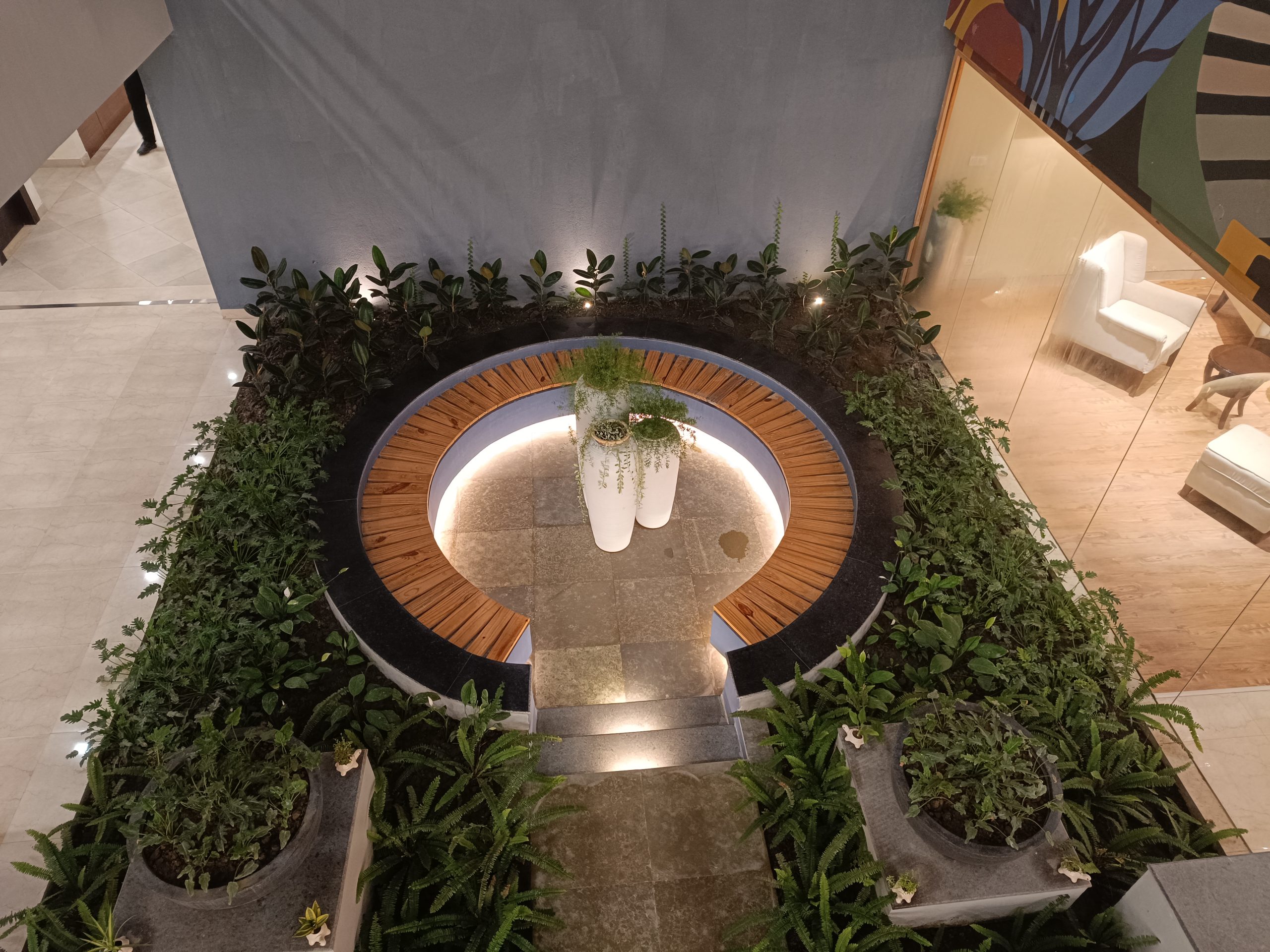
Senior living homes in India present NRI families with a market that is broader, more varied, and less standardised than the senior care markets in countries where NRIs are based. This means the information gap that NRI families need to close before making a confident decision is larger than many expect. This handbook covers the essential old age home information NRI families need: what categories exist, what costs to expect, what questions to ask, how to verify quality remotely, and why Jagriti Dham by Infinity Group near Joka, Amtala, represents the standard that NRI families who have done this research consistently identify as the right choice for eastern India.
NRI families researching senior care for an ageing parent in India often bring assumptions from the senior care markets they know – and find that the Indian market is structured and regulated differently, requires a different assessment approach, and spans a wider range of quality than they expected. The best senior living homes in India are genuinely excellent — independently certified, geriatric-led, and fully transparent — but finding and verifying them requires the specific knowledge this handbook provides. It is organised as a practical reference: what to know, what to ask, and what to insist on.
What NRIs Need to Know About the Indian Senior Living Market
Information about old age homes in India that NRI families need before beginning assessment covers four foundational points:
- Regulation is not standardised. Unlike some international markets, India does not have a single national regulatory body that inspects and grades all senior living facilities. Independent building certification—such as the IGBC certification held by Jagriti Dham—is one of the most reliable indicators of independently verified quality.
- The quality range is wide. Housing for elderly people in India ranges from basic domestic arrangements with some support to fully certified, geriatric-led active ageing communities. The gap between the ends of this range in quality of life outcome is substantial.
- Old age home monthly cost in India varies significantly by provision. Costs reflect what is included – and the old age home facilities at the premium end cover far more comprehensive provisions than the headline figure comparison suggests.
- Cultural specificity matters. Senior communities in India that are culturally specific to their resident population — in language, festival, cuisine, and spiritual practice — produce significantly better elder wellbeing outcomes than generic elder care environments.
What NRIs Should Ask When Assessing Senior Living Homes in India
Senior living homes in India at genuine quality answer all of the following questions fully and willingly: NRI families should ask all of them and treat incomplete or deflected answers as a quality signal:
- What is the building certification, and which body assessed it? For paid old age homes in India, self-declared safety is not the same as independently verified environmental standards.
- What are the specific geriatric qualifications of daily care staff? Not a general description — the actual training credentials are available in writing.
- May I see the previous three months’ activity records? Not the forward calendar. The documented delivery history.
- What is the complete written fee structure, including escalation points for increasing care? Old age home monthly cost in India comparisons are only meaningful when the full provision covered by each fee is clearly stated.
- What is the NRI family communication protocol? Specifically: video call access, update frequency, incident notification timeline, and whether updates are proactive or provided only on request.
What NRIs Should Insist On Before Commitment — and Why Jagriti Dham Provides It
Beyond asking, NRI families should insist on receiving five specific items before making any commitment to an old home in Kolkata or any other city in India. These are not negotiating positions — they are the minimum documentation standard that responsible NRI family decision-making requires:
- Written building certification documentation. The IGBC certificate itself, not a description of it.
- Written staff qualification records. For the specific geriatric professionals responsible for daily care.
- Three months of documented activity records. Confirming the programme ran as described.
- Complete written fee structure. Every charge, every escalation point, every one-off cost — before any payment.
- Written NRI communication commitment. The communication protocol was confirmed in writing as part of the care agreement.
At Jagriti Dham, all five are provided without hesitation — because the senior community at Jagriti Dham holds the standards these documents confirm, and the confidence they produce in NRI families is a direct reflection of the quality they document. For housing for old people at this standard, the documentation and the experience are consistent.
What NRIs Should Expect After Making the Right Choice
After making the right choice, NRI families who have selected Jagriti Dham describe three consistent outcomes that characterise the post-placement experience:
- A parent who settled faster than expected. Parents who visit and choose — rather than being moved without consultation — integrate into the senior community more readily and describe their daily life more positively than earlier in the arrangement.
- Distance confidence that is better than anticipated. The proactive communication model that Jagriti Dham provides — updates without prompting, scheduled video calls, transparent care plan access — produces a quality of remote family confidence that is qualitatively different from what most NRI families expected from housing for elderly people in India.
- A decision that held up. The paid old age homes in India that hold up over time are those where the documentation matched the experience. At Jagriti Dham, NRI families who review their initial assessment against the current reality consistently find the standard has been maintained.
Frequently Asked Questions
Q1. How does the old age home monthly cost in India at Jagriti Dham compare to what NRI families might expect from senior care in their country of residence?
The most relevant comparison for NRI families is not a currency conversion but a provision comparison: what does each fee include? At Jagriti Dham, the monthly fee covers an IGBC-certified building, geriatric-trained daily care, a structured active ageing programme, adapted nutritional provision, and full community access. In most markets where NRIs are based, equivalent provision at the premium residential care level costs significantly more. For NRI families who have experienced premium senior care markets abroad, Jagriti Dham’s provision-to-cost ratio is consistently described as stronger than expected.
Q2. What makes Jagriti Dham the right NRI choice specifically for eastern India senior living?
Four independently verifiable characteristics make Jagriti Dham the most reliably assessable and most completely documented option in the eastern India senior living market for NRI families.
- IGBC green building certification: The only such certification for a senior living facility in eastern India—confirmable from abroad.
- Geriatric-trained care staff: Available in writing, not a general care claim.
- Documented programme delivery: Monthly records confirming what the active ageing programme actually delivered.
- Full cost transparency: The complete written fee structure before commitment.
Together, these four produce the confidence that NRI families need when they cannot be present to verify for themselves.
Senior Living Homes in India at the Right Standard Give NRI Families the Confidence They Need From Any Distance
The handbook for NRI families choosing senior living homes in India comes down to one principle: the right choice is always the most documented choice. Know the market. Ask the right questions. Insist on the right documentation. And expect the post-placement experience to match what the documentation described. Jagriti Dham by Infinity Group near Joka, Amtala, is the facility in eastern India that holds up against every one of these tests — because it was built to hold up, and the NRI families who chose it on that basis are the ones who describe the most settled parents and the most confident distance.
Request the documentation. Make the visit. Choose with confidence.
NRI family ready to use this handbook with Jagriti Dham near Joka, Amtala?
Request all five documentation items — certification, qualifications, records, cost structure, and communication protocol — and proceed with confidence.
About Jagriti Dham
This guide was curated by the Jagriti Dham team (www.jagritidham.com). Jagriti Dham is Kolkata’s most luxurious senior citizen home and Eastern India’s first Indian Green Building Council-certified green senior living facility, situated near Joka, Amtala, in South Kolkata. A project of the Infinity Group, Jagriti Dham is envisioned as a centre of excellence, promoting active ageing and aiming to build an age-integrated society – where elders can live independently while receiving the best possible care. Unlike other old age homes, Jagriti Dham’s vision extends beyond the walls, giving elders a hassle-free life in a peaceful, like-minded community.
Follow us: Facebook | YouTube | Google My Business | LinkedIn | Instagram