
Headaches are among the most commonly experienced symptoms across the general population. For the vast majority, they are benign, tension-type headaches, migraine, or headaches related to dehydration, screen fatigue, or stress. For a smaller but clinically important group, headaches represent the presenting symptom of underlying vascular or structural abnormalities that require specific investigation and specialist attention. Knowing when a headache warrants evaluation beyond standard primary care, and understanding the role of specialist imaging and intervention in the diagnostic and treatment pathway, is knowledge that could be genuinely consequential for the patients who need it.
The Headache Spectrum: When to Pay Closer Attention
The vast majority of headaches that present in clinical practice are primary headaches, conditions in which the headache itself is the disorder, rather than a symptom of an underlying structural problem. Tension-type headache and migraine account for the overwhelming majority of these presentations.
However, a specific set of headache characteristics should prompt more urgent evaluation. These so-called “red flag” features include:
- A headache described as the most severe the patient has ever experienced, particularly if of sudden onset, the classic “thunderclap headache” that may indicate subarachnoid haemorrhage
- Headaches that are progressive in frequency and severity over a period of weeks or months
- Headaches associated with neurological symptoms such as visual disturbance, weakness, speech difficulty, or altered consciousness
- Headaches that wake the patient from sleep
- New headaches in patients over fifty years of age
- Headaches in patients with known malignancy or immunocompromise
- Headaches accompanied by fever and neck stiffness
Any of these features warrants urgent medical evaluation rather than self-management.
What an Interventional Neuroradiologist Does
An interventional neuroradiologist is a specialist physician with dual expertise in diagnostic neuroimaging and catheter-based interventional procedures targeting the blood vessels of the brain and spinal cord. This subspecialty combines the diagnostic skills of neuroradiology with the technical capability to treat vascular abnormalities, aneurysms, arteriovenous malformations, and acute stroke, through minimally invasive endovascular approaches.
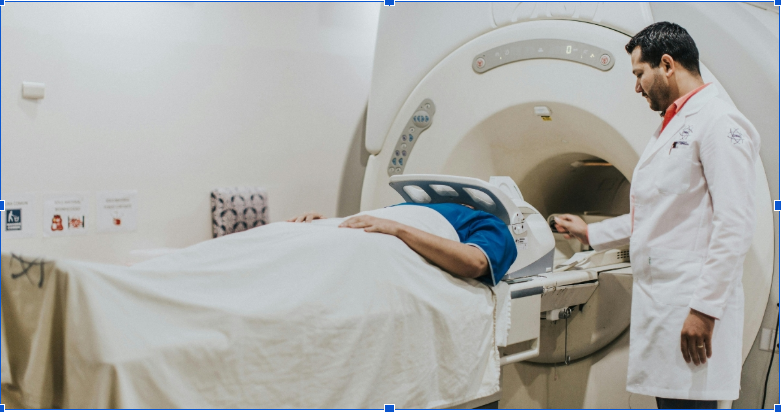
The diagnostic component of this expertise is relevant to the investigation of headaches that may have a vascular cause. CT angiography and MR angiography of the cerebral vessels can identify aneurysms, vascular malformations, and other structural abnormalities that may be responsible for the headache. Catheter-based cerebral angiography, the gold standard for cerebrovascular imaging, is performed by the interventional neuroradiologist when other imaging is inconclusive or when a procedural intervention is being planned.
Specific Vascular Causes of Headache
Cerebral Aneurysms
An unruptured cerebral aneurysm may produce headaches, though most are asymptomatic until rupture occurs. When an aneurysm does produce symptoms, these may include headaches that are persistent, unusual in character, or associated with pain around one eye or visual changes. The discovery of an aneurysm on imaging performed for headache investigation prompts a multidisciplinary neurovascular assessment to determine whether the aneurysm should be treated prophylactically or monitored.
Cerebral Venous Sinus Thrombosis
Thrombosis of the cerebral venous sinuses is a less common but important cause of headache that may be missed without appropriate imaging. The headache is typically progressive, and may be associated with neurological symptoms or raised intracranial pressure. MR venography or CT venography establishes the diagnosis.
Carotid and Vertebral Artery Dissection
Dissection of the carotid or vertebral arteries can cause headache and is associated with an elevated risk of subsequent stroke. The headache may be accompanied by neck pain, and in carotid dissection, by Horner syndrome, a triad of ptosis, miosis, and anhidrosis affecting one side of the face.
The Diagnostic Pathway for Concerning Headaches
When a headache presentation prompts specialist referral, the investigation pathway is guided by the clinical features. A sudden severe headache of immediate onset in a patient without a history of similar episodes warrants immediate emergency assessment including CT brain without contrast, and if normal, lumbar puncture to exclude subarachnoid haemorrhage.
For headaches with other red flag features but not of acute thunderclap onset, MRI brain with appropriate sequences is the investigation of choice, supplemented by MR or CT angiography where vascular pathology is suspected. The results of these investigations then determine whether further specialist input, including from the interventional neuroradiologist, is required.
Varicose Veins Treatment in Ahmedabad: A Vascular Connection
While venous disease of the legs and intracranial vascular conditions are clinically distinct, they share the common theme of vascular pathology requiring specialist assessment. Varicose veins treatment in Ahmedabad has developed significantly with minimally invasive options including endovenous laser ablation and radiofrequency ablation now routinely available. These procedures address the underlying venous reflux that causes varicose veins through heat-mediated closure of the incompetent vein, requiring no surgical incision and allowing rapid return to normal activity.
Conclusion
Most headaches do not require specialist neurological or neuroradiological investigation, but the minority that do represent clinically important conditions where timely specialist assessment can make a meaningful difference to outcomes. Understanding the red flag features that distinguish headaches warranting urgent evaluation from those that can be managed in primary care is the most important first step in this decision. When specialist evaluation is indicated, the interventional neuroradiologist is the clinician with both the diagnostic expertise to characterise vascular pathology and the technical capability to treat it through minimally invasive means. Dev Hospital provides specialist assessment and image-guided care for patients requiring appropriate neurovascular evaluation.